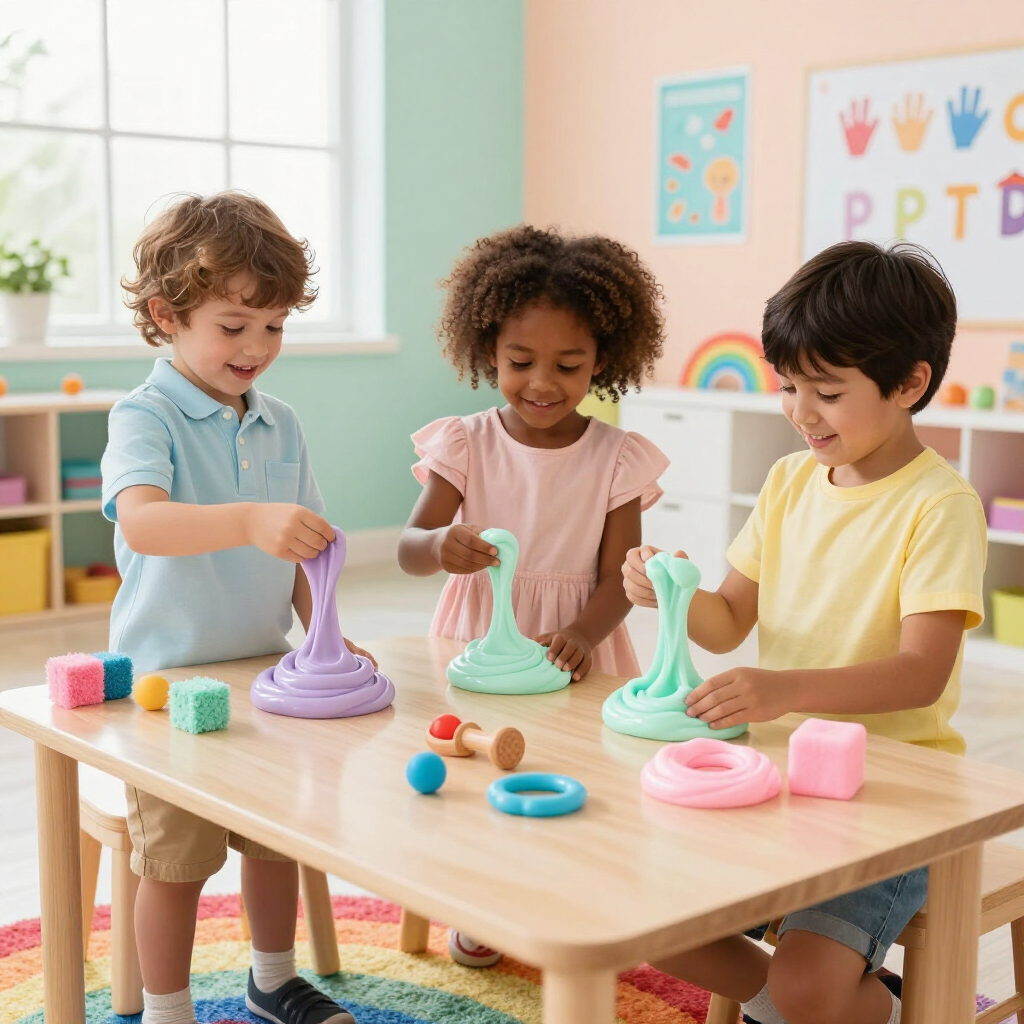
Sensory Play Supports Emotional Balance and Communication
How Sensory Play Enhances Emotional Regulation, Language, and Social Skills
Sensory Play Supports Emotional Expression and Self-Soothing
How Sensory Play Enhances Emotional Regulation
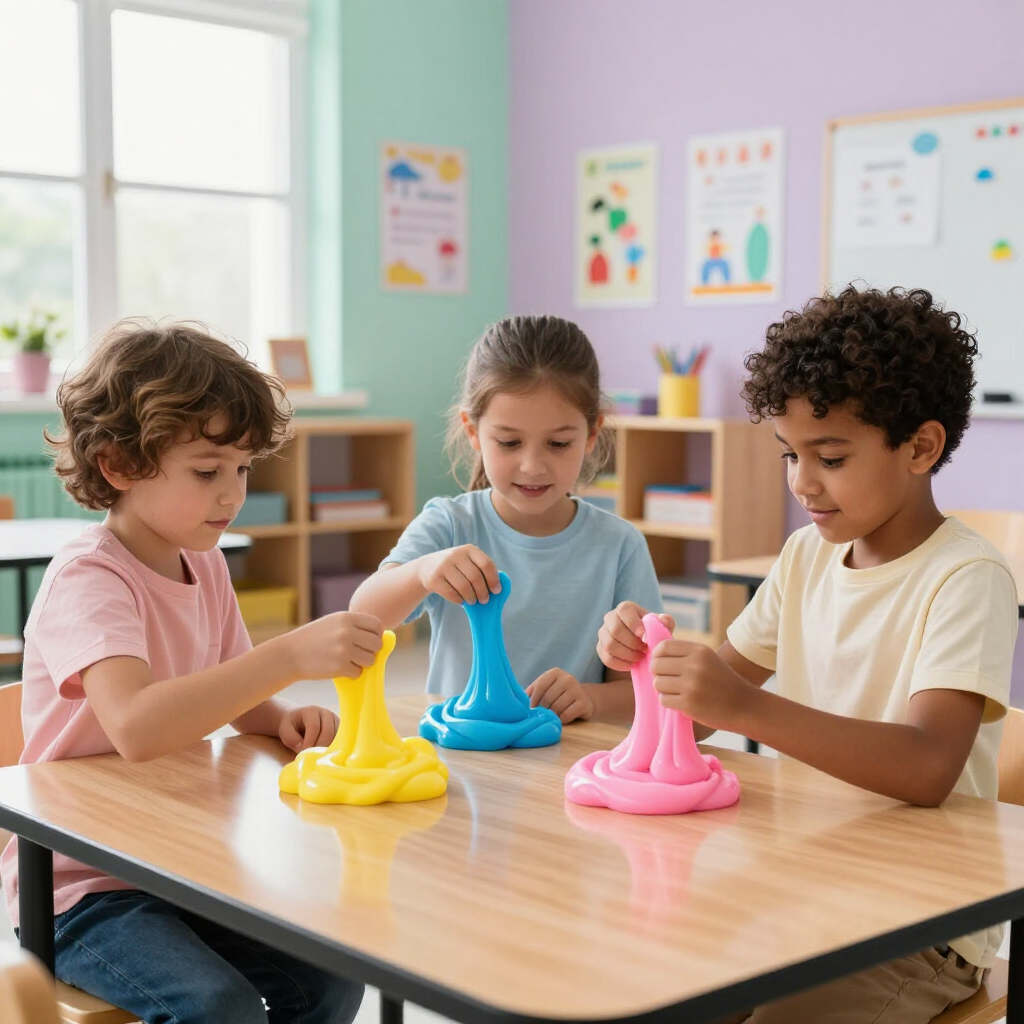
Benefits of Sensory Play for Growth and Connection
Nervous System Regulation
Sensory play helps calm the nervous system, supporting self-soothing and emotional balance.
Language Development Support
Engaging tactile experiences encourage communication skills and vocabulary growth.
Enhancing Social Skills
Interactive sensory activities promote sharing, cooperation, and social confidence.
Families and educators share how sensory play reshapes learning and connection.
“Since introducing Jubilee Slime Factory’s sensory kits, our classroom atmosphere has transformed. Children express emotions more clearly and engage with peers more confidently.”
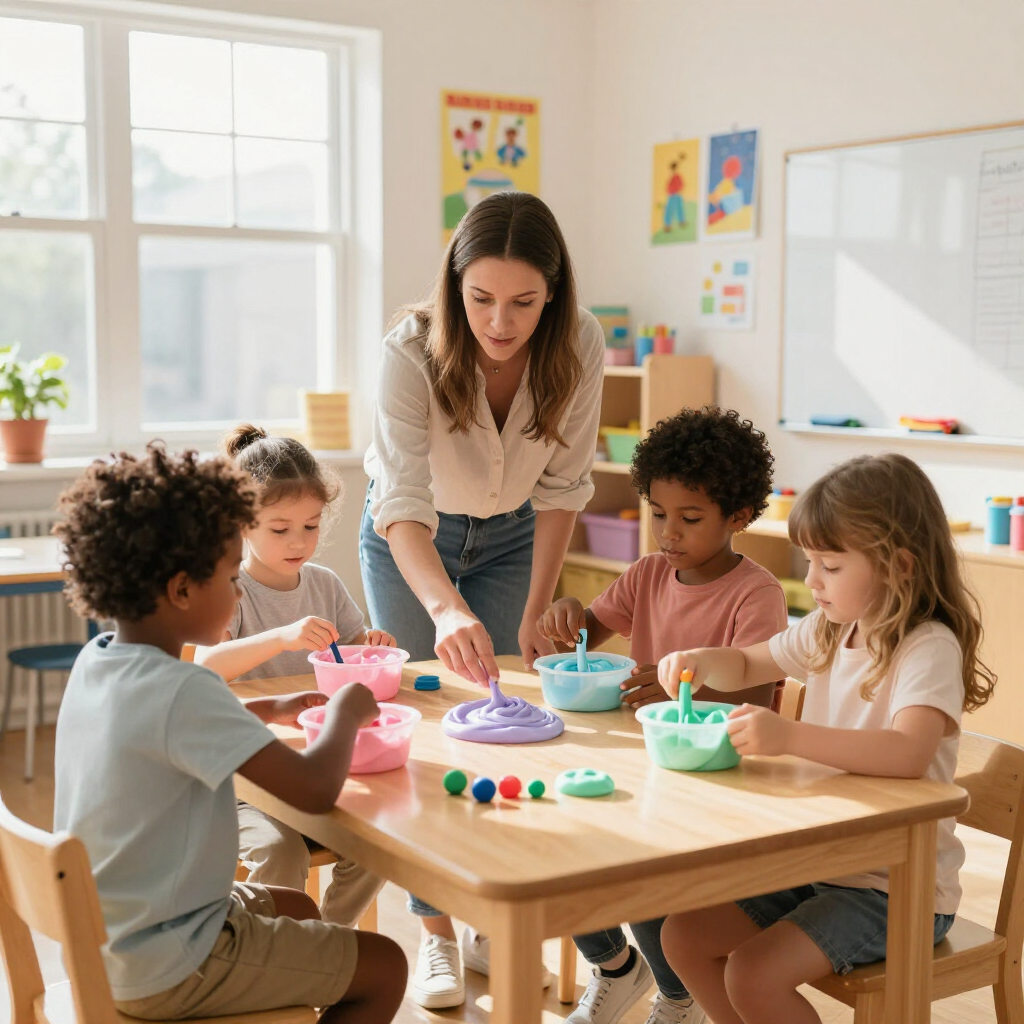
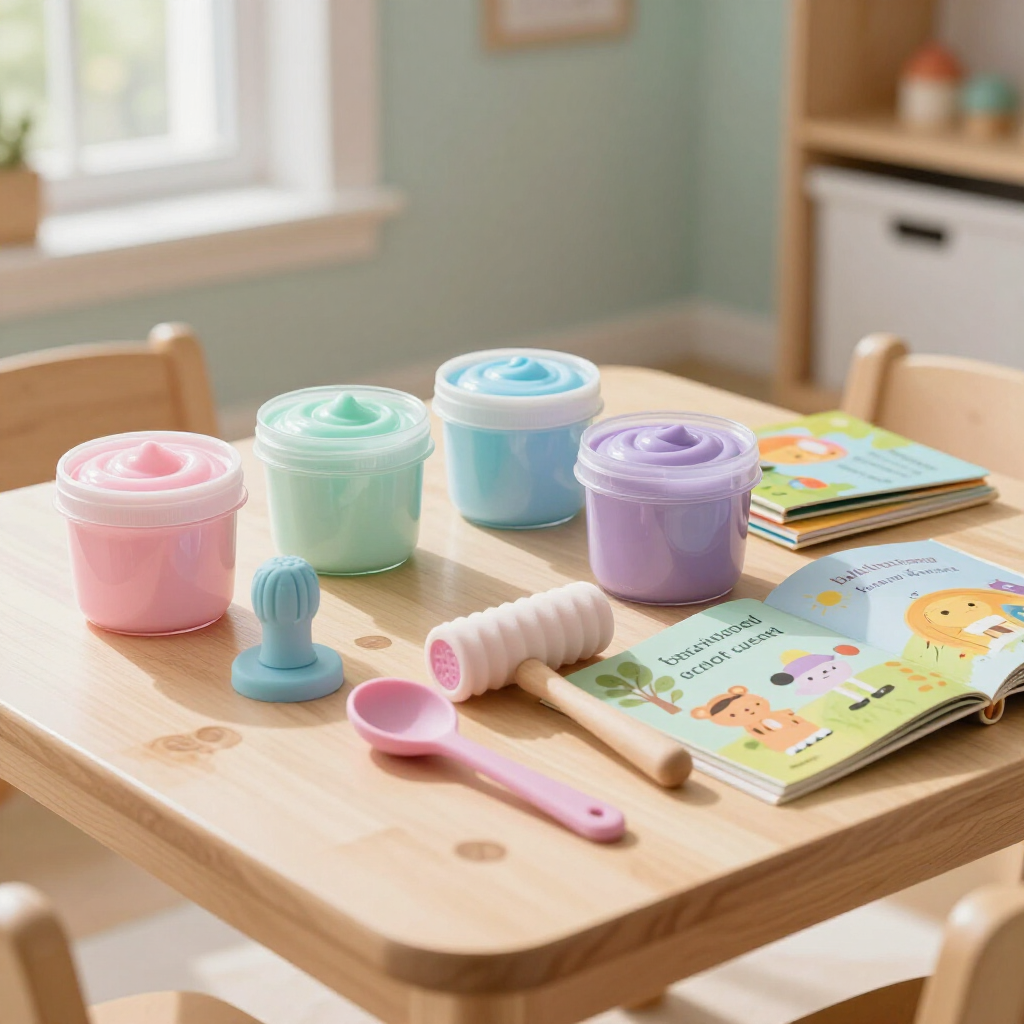
Explore Our Sensory Kits and Books
Common Questions About Sensory Play
Sensory play supports emotional regulation by engaging the nervous system through tactile and movement experiences. It also encourages language development by prompting communication and vocabulary growth. Social skills improve as children learn to share, take turns, and express themselves in group settings.
What is sensory play and why is it important?
Sensory play involves activities that stimulate the senses—touch, sight, sound, smell, and movement. It helps regulate emotions, supports brain development, and builds foundational skills for communication and social interaction.How does sensory play help with emotional regulation?
Engaging in sensory activities activates calming pathways in the nervous system, helping children manage stress and express feelings more effectively. It provides tools for self-soothing and reduces anxiety through repetitive, focused play.Can sensory play support language development?
Yes. Sensory play encourages children to describe textures, actions, and feelings, expanding their vocabulary. It also promotes turn-taking and listening skills during interactive play, which are essential for communication growth.What are practical ways to implement sensory play at home or school?
Use simple materials like slime, textured objects, or water play. Create routines that include sensory breaks and encourage group activities to foster social skills. Tailor activities to individual needs and preferences for best results.How can sensory play improve social skills?
Sensory play settings provide opportunities for children to practice sharing, cooperation, and empathy. Group sensory activities encourage communication and help build confidence in social interactions.
Ready to Support Sensory Growth?
Explore our sensory kits and books designed to enhance emotional regulation, language, and social skills through hands-on play and storytelling.